August 24, 2026
Transforming your outdoor space into a balanced sanctuary requires thoughtful planning and an eye for design harmony. Over time, garden spaces can lose their structure, resulting in mismatched plant pairings and cluttered garden lines. A comprehensive flower bed redesign integrates color, texture, and structural flow to unify your entire property.
Establishing Visual Harmony Across Outdoor Living Spaces
Unifying different sections of your yard requires a clear design strategy that connects architectural elements with natural growth. Outdated or haphazard plant placement creates visual chaos, drawing attention away from your home's best features. A strategic flower bed design establishes cohesive color schemes, balanced plant heights, and complementary textures that guide the eye naturally across the lawn. Integrating structured plant arrangements creates a polished environment that enhances your home's total curb appeal.
Choosing Complementary Plants for Seasonal Color Flow
Selecting the right combination of perennials, annuals, and structural shrubs guarantees vibrant colors throughout every season. According to the U.S. Bureau of Labor Statistics, California was the largest state employer of yard care professionals, providing jobs to 105,790 workers. Relying on experienced professionals for a flower bed design helps you choose species that thrive in your regional climate and local soil conditions. Strategic plant selection ensures your garden beds transition smoothly from spring blooms to rich autumn foliage without leaving awkward bare patches.
Balancing Height, Depth, and Spatial Proportions
Creating depth within garden borders relies on arranging plants according to their mature sizes and growth habits. Placing taller background specimens behind medium-height fillers and low-growing ground covers establishes a multi-tiered layout that feels expansive and full. An intentional flower bed redesign prevents fast-growing species from crowding out delicate plants or blocking natural sunlight. Proper spacing gives every plant room to establish strong root systems while maintaining clean, structured lines.
Defining Edge Boundaries and Hardscape Integration
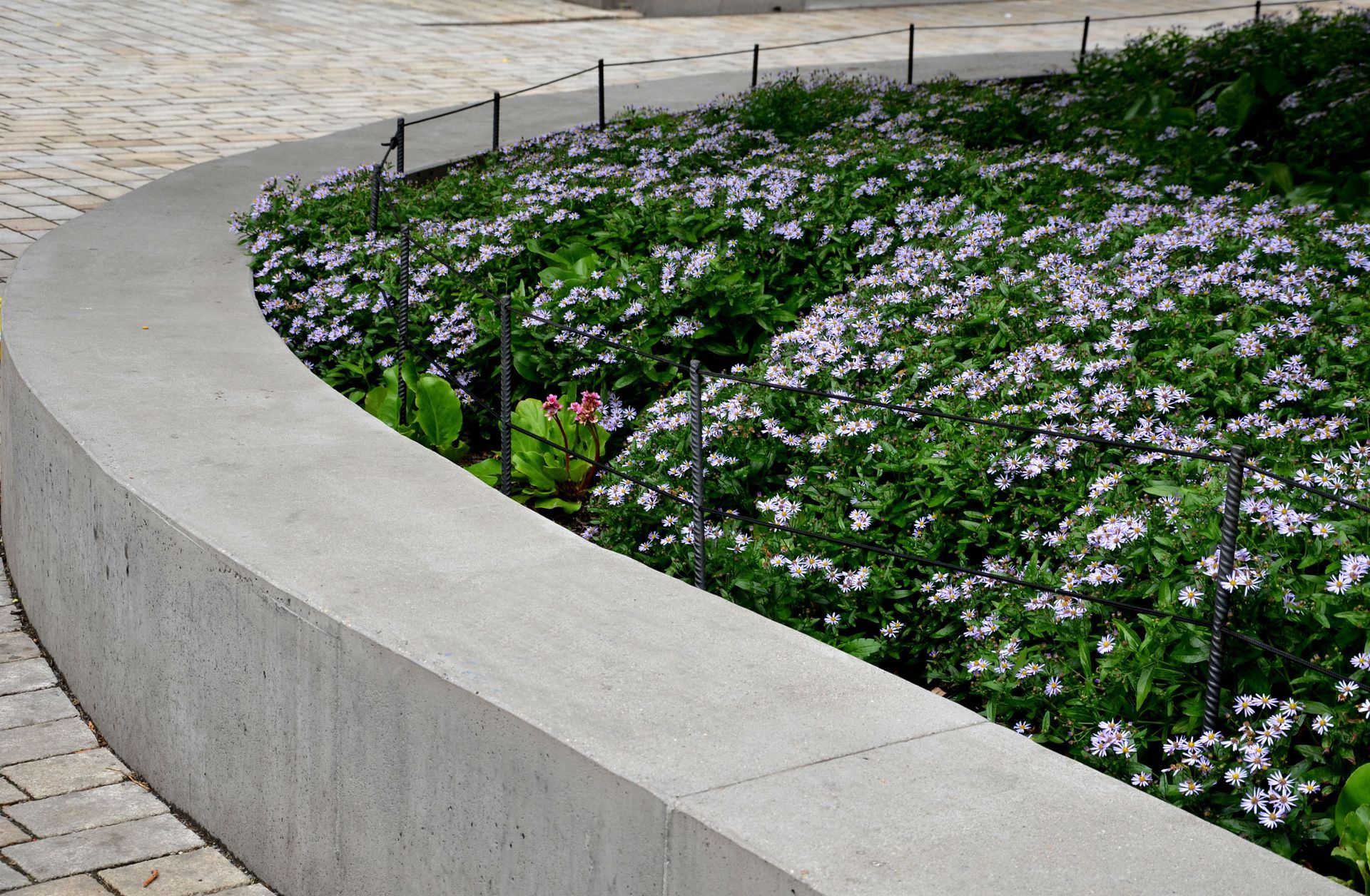
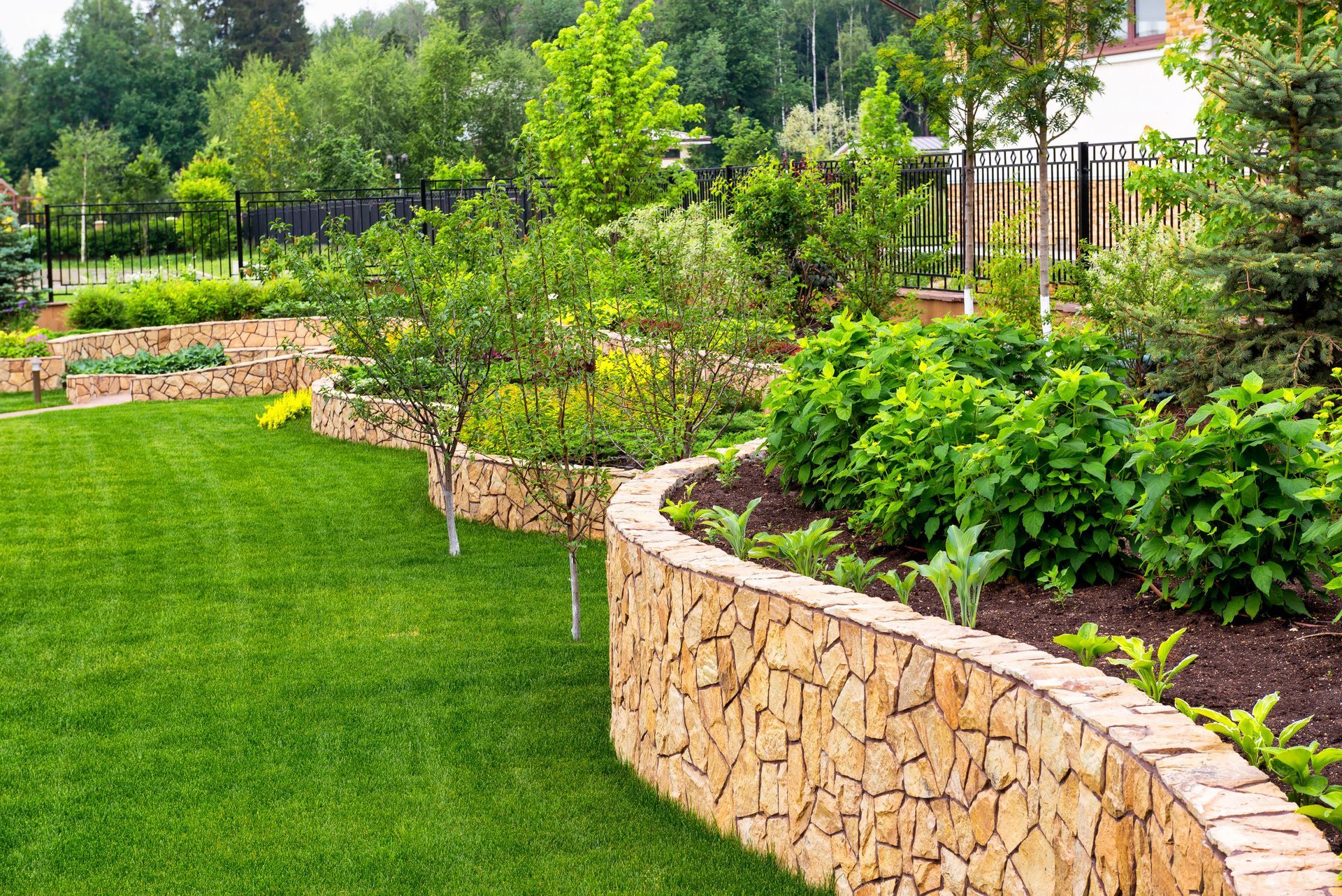
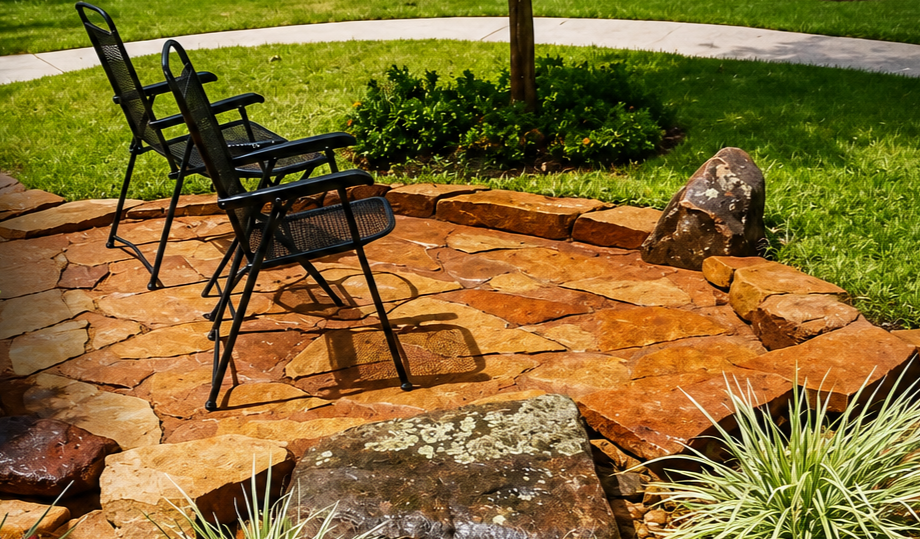
Clean, well-defined borders separate lush garden spaces from green lawn areas, creating crisp lines that define your outdoor living areas. Incorporating natural stone, brick, or composite edging prevents grass roots from invading garden soil and simplifies routine lawn maintenance. During a complete flower bed design, aligning garden borders alongside existing stone patios, walkways, and retaining walls creates architectural continuity. Seamlessly connecting hardscape elements with soft plantings makes your outdoor space feel intentionally designed and fully unified.
Enhancing Soil Health and Nutrient Distribution
Healthy plant growth starts below the surface with nutrient-rich, well-aerated soil that supports robust root development. Over time, soil becomes depleted of essential minerals, compacted by rain, and crowded by ancient root networks. Executing a professional flower bed redesign involves tilling the ground, removing unwanted weeds, and blending organic compost to restore soil vitality. Replenishing soil health ensures new plantings absorb moisture effectively and build strong natural resistance against common plant diseases.
Incorporating Low-Maintenance and Sustainable Elements
Modern garden planning prioritizes sustainability, water conservation, and low-maintenance care routines. Integrating native plants, drought-tolerant perennials, and organic mulch layers reduces constant watering needs and limits chemical fertilizer use. A thoughtful flower bed design places plants with similar water and light requirements together in dedicated zones to optimize hydration efficiency. Sustainable planting choices protect environmental health while saving you time and effort on daily maintenance tasks.
Framing Architectural Features and Home Entryways
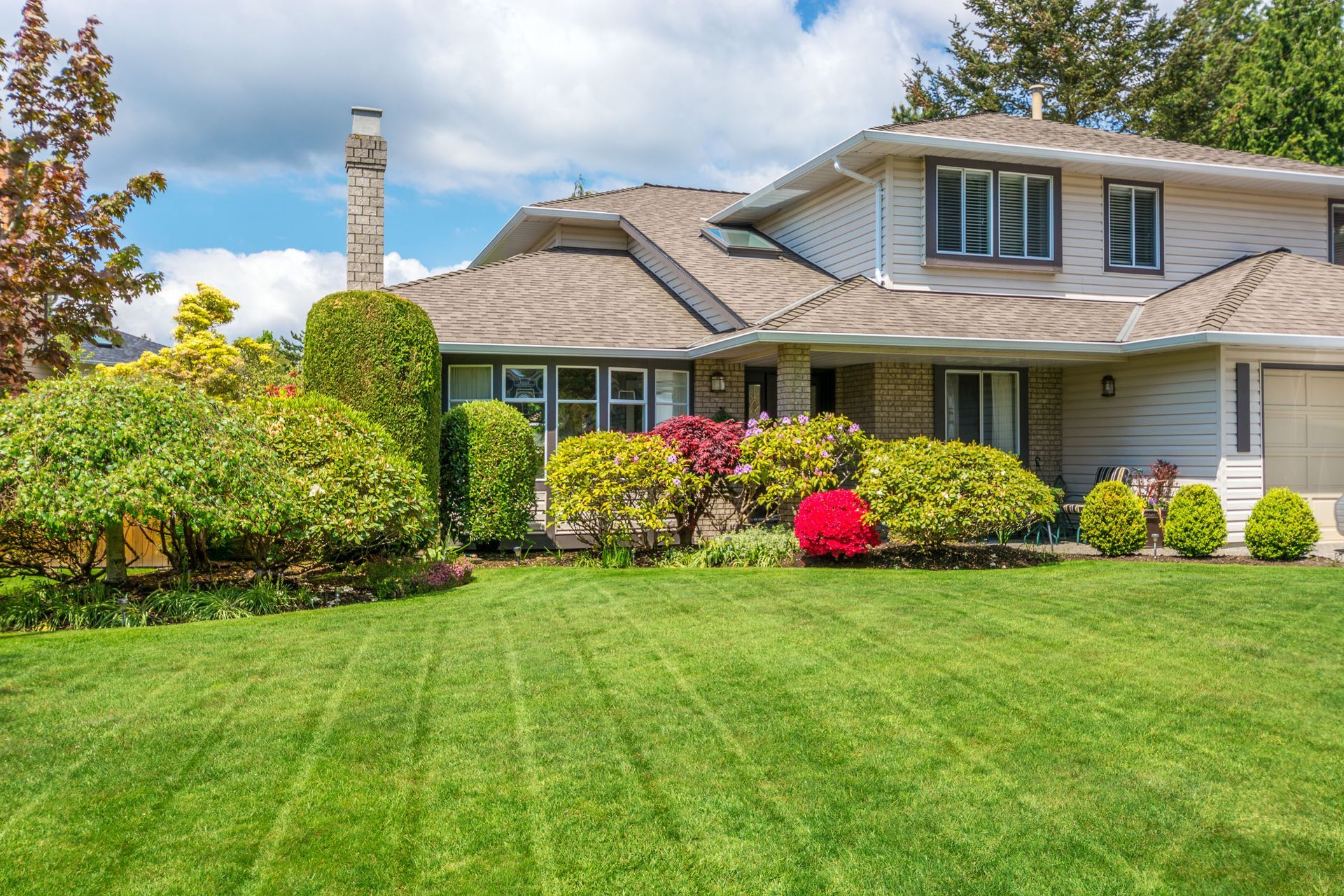
Your garden beds should frame your home's entryways, windows, and architectural details rather than obscure them. Planting low-profile shrubs beneath front windows and framing doorways with elegant ornamental trees creates a warm, welcoming approach for guests. A tailored flower bed design balances dense foliage with open space, ensuring your home remains visible while surrounded by rich greenery. Strategic placement highlights your property's best features while softening harsh building corners and foundation walls.
Maximizing Functional Light and Shadow Patterns
Understanding how sunlight moves across your yard throughout the day is essential for long-term garden health and visual impact. Sun-loving varieties require open areas that receive direct afternoon light, while shade-tolerant species thrive beneath shady tree canopies or porch overhangs. Planning a flower bed design around natural light patterns prevents leaf scorching, stunted growth, and poor flower production. Placing plants where they receive proper sunlight keeps foliage vibrant, healthy, and full throughout the growing season.
Mapping out microclimates across your yard helps you match specific plant varieties to their precise light requirements, ensuring every perennial and shrub flourishes. Sun-sensitive foliage like hostas and ferns thrive in dappled morning light, whereas heat-tolerant lavender, coneflowers, and ornamental grasses demand at least six hours of direct midday sun to bloom profusely. Positioned incorrectly, shade-loving plants suffer from bleached leaves and desiccation, while sun-loving species become leggy and sparse as they stretch toward distant light sources.
Adding Decorative Mulch for Moisture and Style
Applying a fresh layer of organic mulch serves both functional and aesthetic purposes within your outdoor layout. Mulch suppresses stubborn weed growth, regulates soil temperature, and retains vital groundwater during hot summer months. Choosing a dark hardwood or natural bark mulch during your flower bed redesign provides a striking color contrast that makes green leaves and colorful petals pop. Consistent ground cover ties individual garden areas together into one cohesive, well-cared-for landscape.
As organic mulch decomposes over time, it continuously enriches the underlying topsoil with essential nutrients, improving soil structure and boosting microbial activity. Maintaining a uniform depth of two to three inches insulates delicate root systems against extreme temperature spikes in summer and freezing conditions in winter. Utilizing high-quality shredded bark or pine straw prevents soil erosion caused by heavy rains, ensuring that vital fertilizers remain anchored around plant root zones. The clean, finished texture of freshly applied mulch frames your home's entryways, walkway borders, and tree rings, establishing a uniform visual texture that elevates your property's overall curb appeal.
Protecting Plant Roots with Effective Drainage Solutions
Standing water and poor soil drainage lead to root rot, fungal infections, and premature plant failure in low-lying garden zones. Regrading planting beds and installing subtle subsurface drainage paths directs excess rainwater away from delicate roots and foundation walls. Incorporating well-draining soil mixes during a flower bed redesign keeps moisture levels balanced even after heavy rainfall events. Protecting root systems against excess moisture ensures your landscape investment remains healthy, vibrant, and resilient for years to come.
Integrating gravel trenching, perforated French drains, or specialized catch basins prevents soil compaction and stops stagnant pools from suffocating beneficial soil micro-organisms. Amending heavy clay soil with coarse sand, organic compost, and pine bark soil conditioners dramatically improves aeration and speeds up water infiltration rates around root zones. Correcting slope angles allows storm runoff to glide smoothly toward natural drainage outlets without washing away nutrient-rich topsoil or freshly spread mulch.
Transforming Your Personal Aesthetic into Outdoor Reality
Your garden space should reflect your personal taste, whether you prefer formal, symmetrical layouts or informal, free-flowing cottage gardens. Combining your favorite plant varieties, color palettes, and decorative accents creates a personal retreat where you can relax and un-wind.
Collaborating with design experts during a flower bed redesign ensures your vision is executed with precision, quality materials, and expert craftsmanship. Tailoring your landscape to your lifestyle ensures your outdoor space remains a source of pride and enjoyment.
Creating a harmonious outdoor space requires a thoughtful approach to plant selection, soil health, and structural design. A well-planned garden layout elevates your property's appearance, protects your plants, and brings lasting enjoyment to your home. For personalized care and professional aesthetic treatments tailored to your personal wellness goals, contact the team at Elite Medical Spa today.